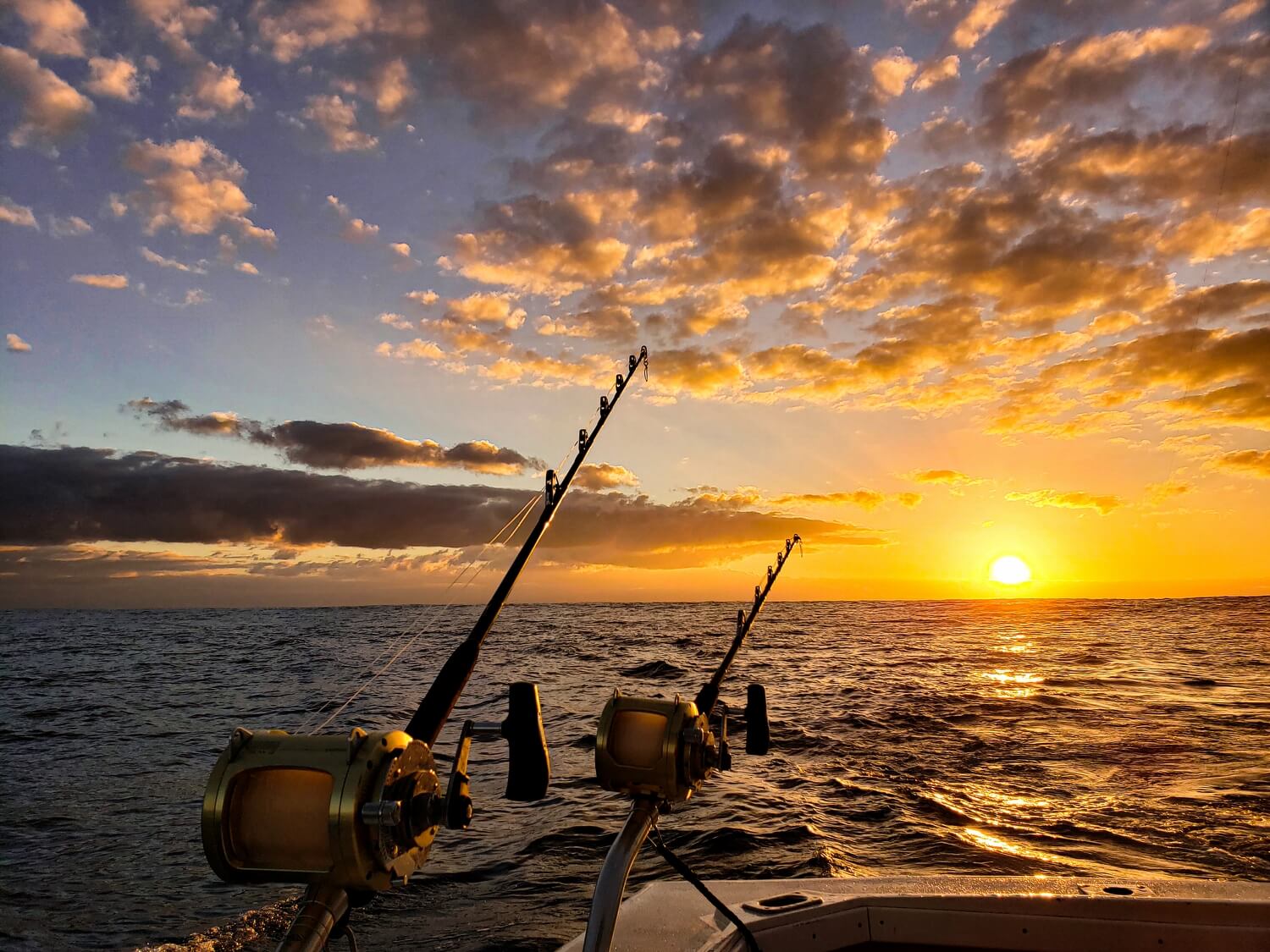
What is Ocean Color? Ocean Color is the apparent hue, shade, or tone of water that results from the interactions of sunlight with the microscopic composition of the water column and water itself. Typical relevant water constituents include phytoplankton, mineral particles, and dissolved organic matter. The color of the ocean varies with how these materials in seawater absorb and scatter.. Download Pacific Ocean color scheme consisting of Ateneo Blue, Sea Blue, Celadon Blue, Moonstone and Pastel Gray, Only at SchemeColor.com

Color Theory in Web Design Jahdai Cintron
Psychology of Color
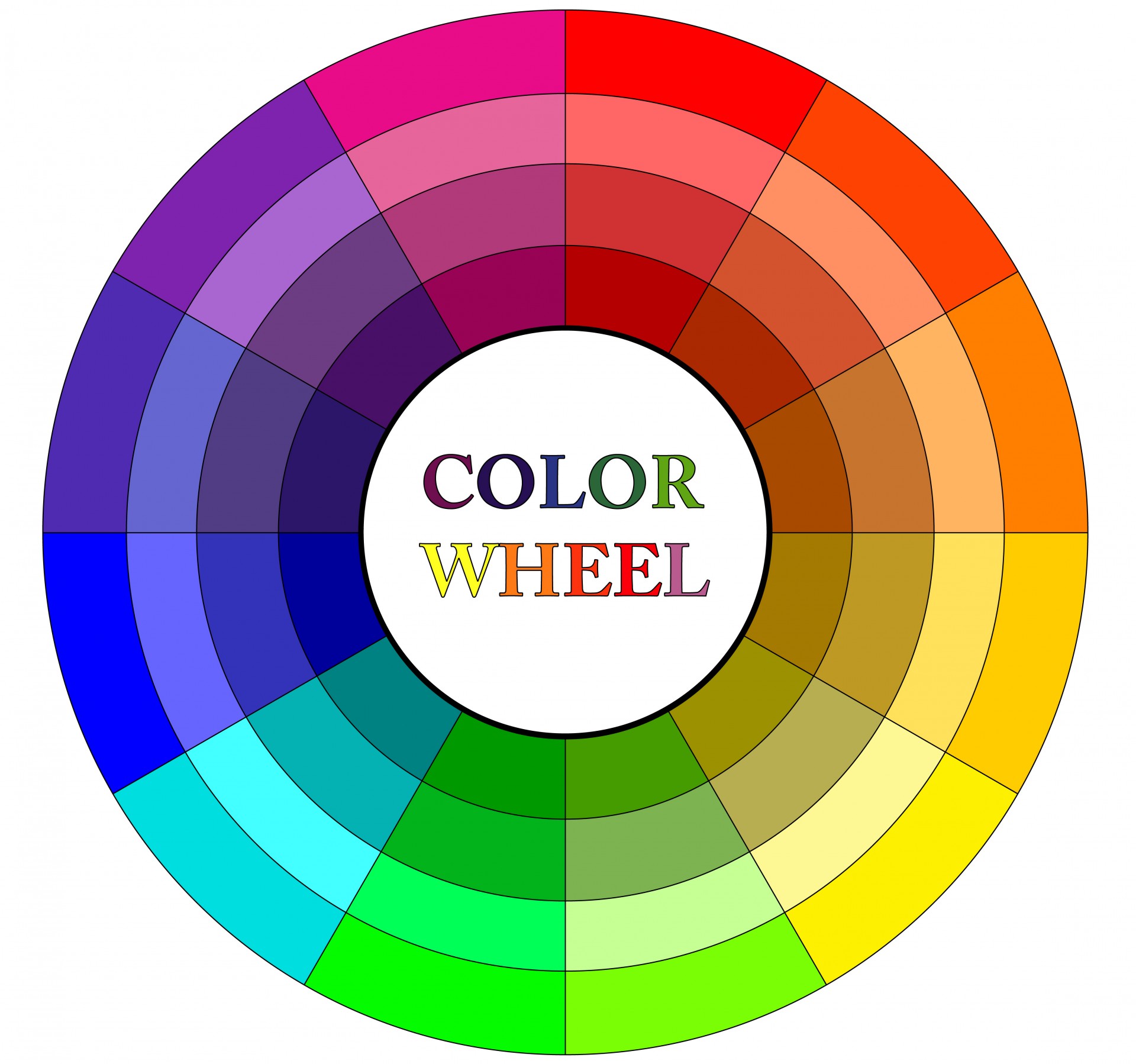
Color Wheel Free Stock Photo Public Domain Pictures
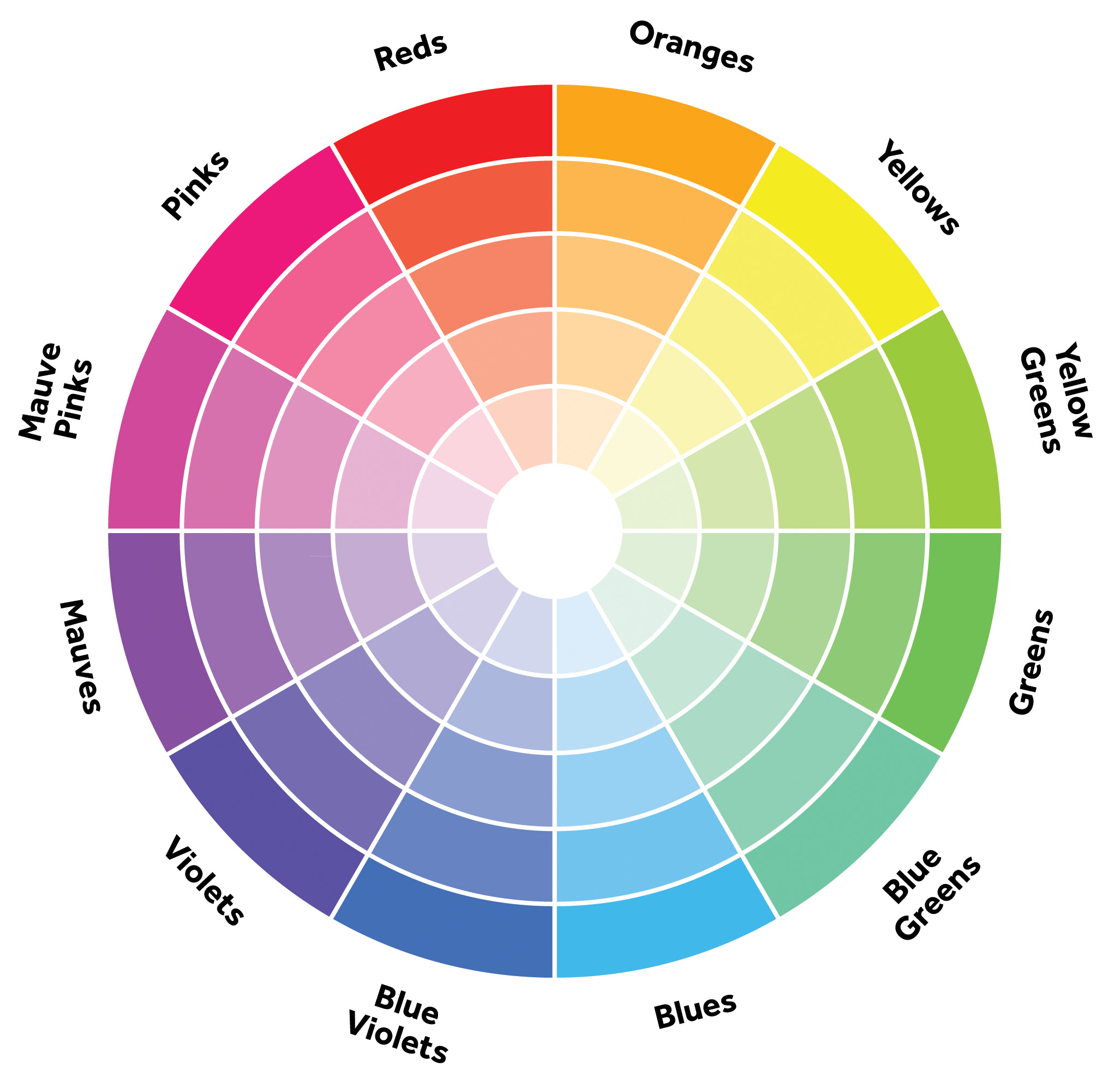
Blue Color Code at genmessiahblog Blog

Color Photos, Download The BEST Free Color Stock Photos & HD Images
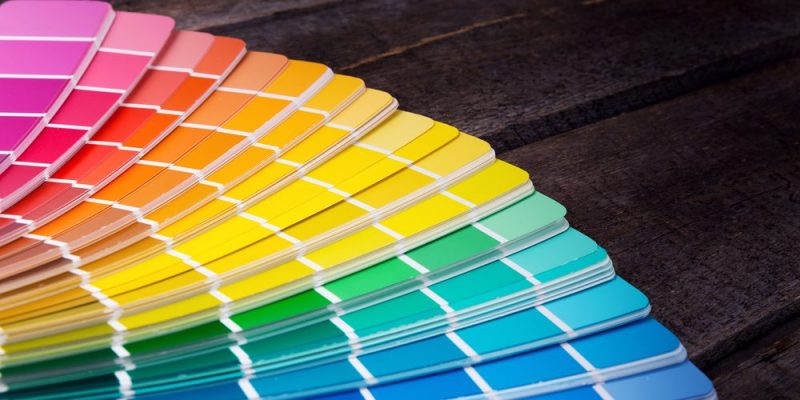
Color Concepto, propiedades y colores primarios

What Colors Make Yellow and How Do You Mix Different Shades of Yellow
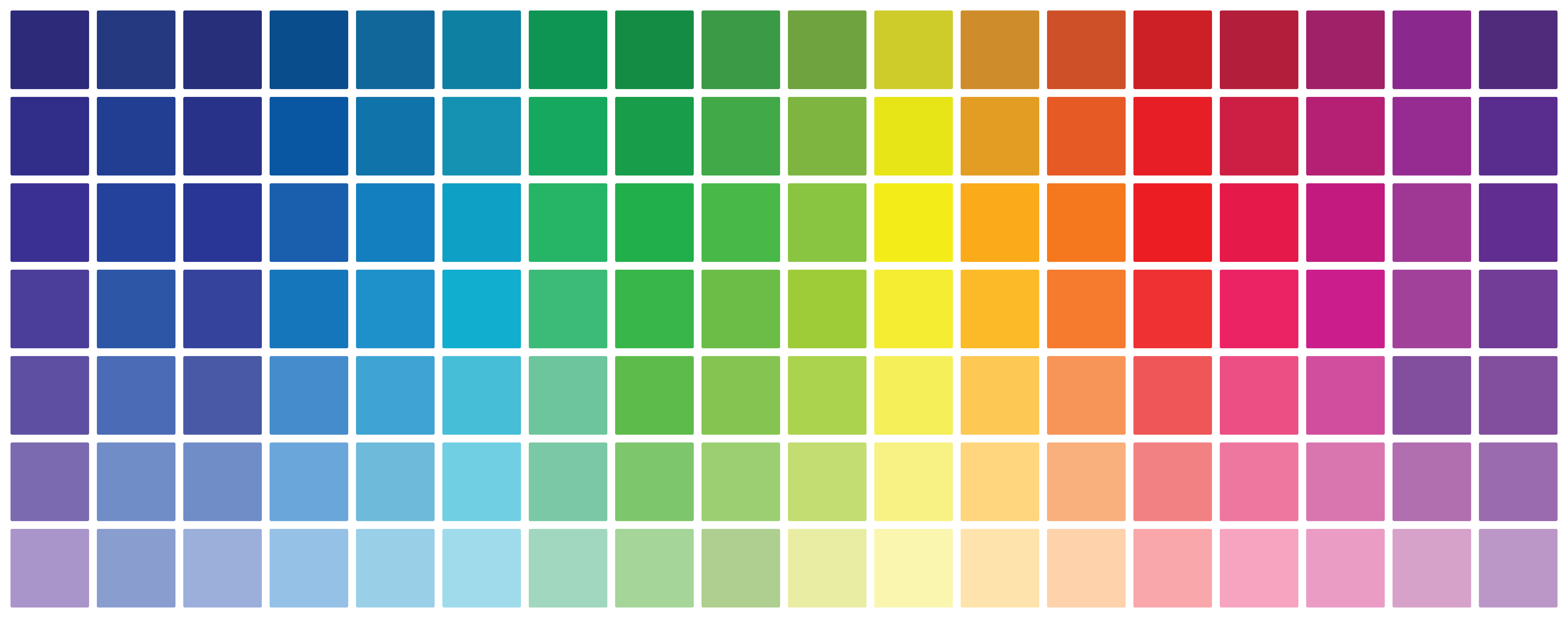
The Importance of Colour Hughes & Co Design
Colors wallpaper 1600×1200 57319
Colours Photos, Download The BEST Free Colours Stock Photos & HD Images

For the Love of Color A New Color Wheel! Double complementary colors

Green Web Color Palettes
Color Photos, Download The BEST Free Color Stock Photos & HD Images
The Nature of Color Grand Rapids Public Museum
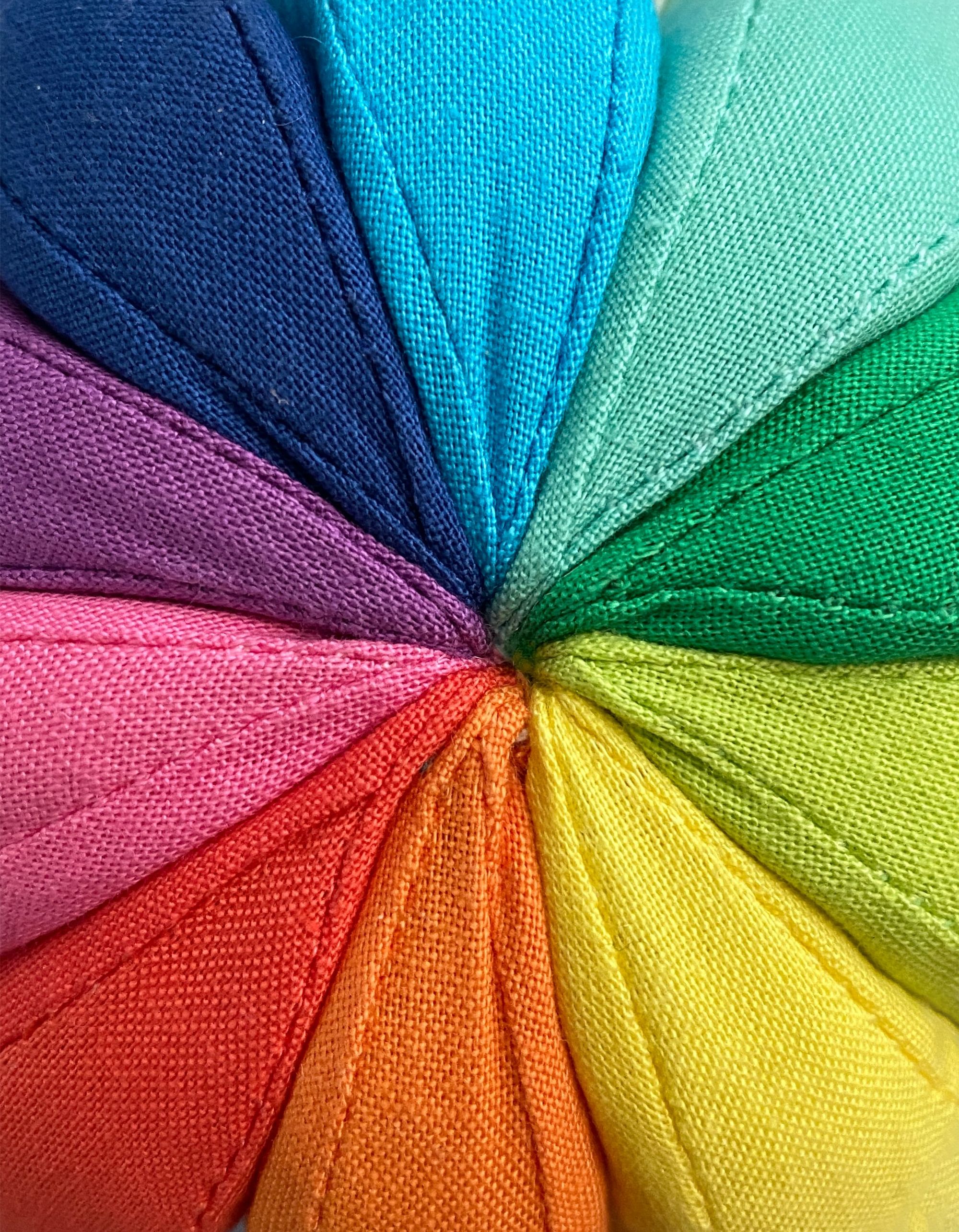
Basic Color Theory (An Introduction to the Color Wheel)

31 retro color palettes for throwback designs Artofit
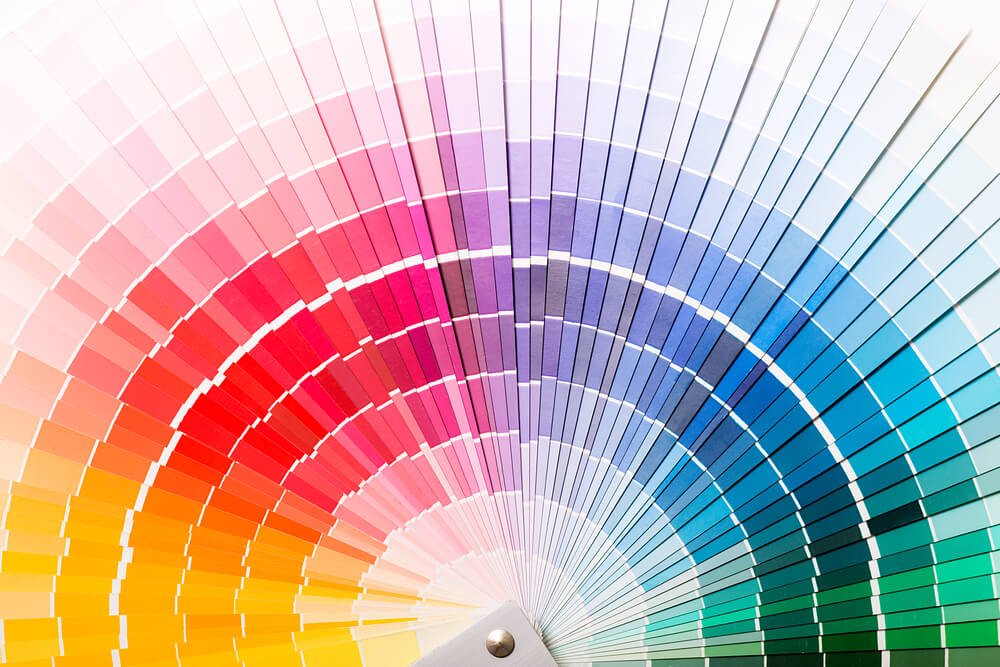
Should You Bring Your Print and Color Production InHouse YES!
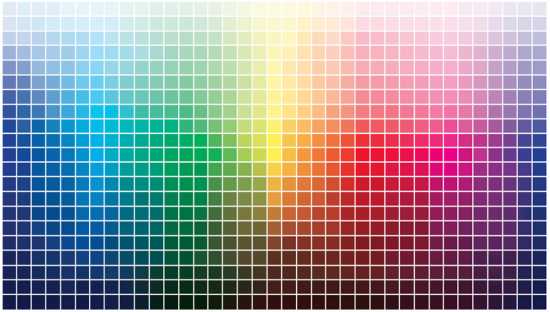
Psychology of Color by Steve Hullfish ProVideo Coalition
![🔥 [50+] HD Color Wallpapers WallpaperSafari](https://cdn.wallpapersafari.com/37/1/tk28Ed.jpg "🔥 [50+] HD Color Wallpapers WallpaperSafari")
🔥 [50+] HD Color Wallpapers WallpaperSafari
Free photo Color Art, Idea, Pencil Free Download Jooinn
You’ve likely seen the viral videos online: Two vast bodies of water, distinctly different in color, flowing side by side without mixing, as if divided by a glass wall reaching all the way to the ocean floor. These videos tend to claim that you’re witnessing a peculiar and natural phenomenon at Cape Horn in South America, where the Pacific and Atlantic Oceans meet. The oceans’ differing.. Understanding the Science Behind Ocean Color The ocean’s natural color is a result of its interaction with sunlight. Water molecules absorb longer wavelengths (red, orange, yellow) more efficiently than shorter wavelengths (blue, green). This selective absorption is why the open ocean typically appears blue.